Free shipping in the Benelux from € 50 My account

Adam, Where Are You?

Film by Aleksandr Zaporoshchenko
Produced by Aleksandr Pliska

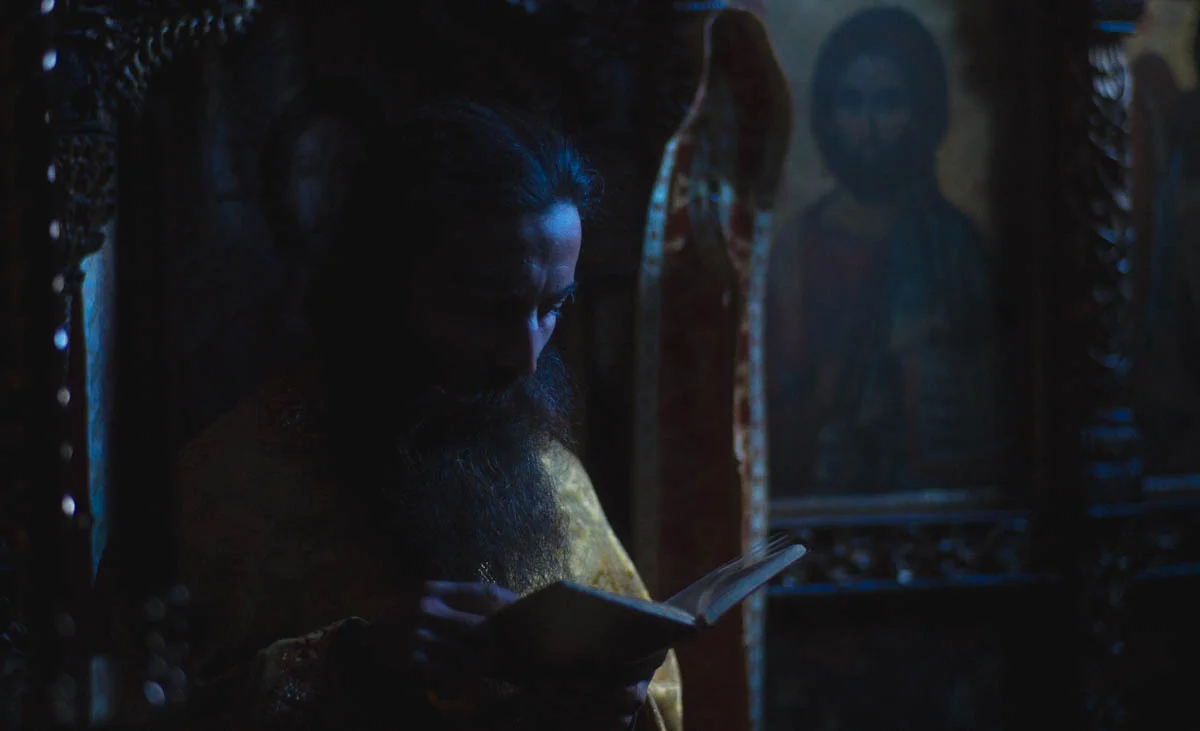
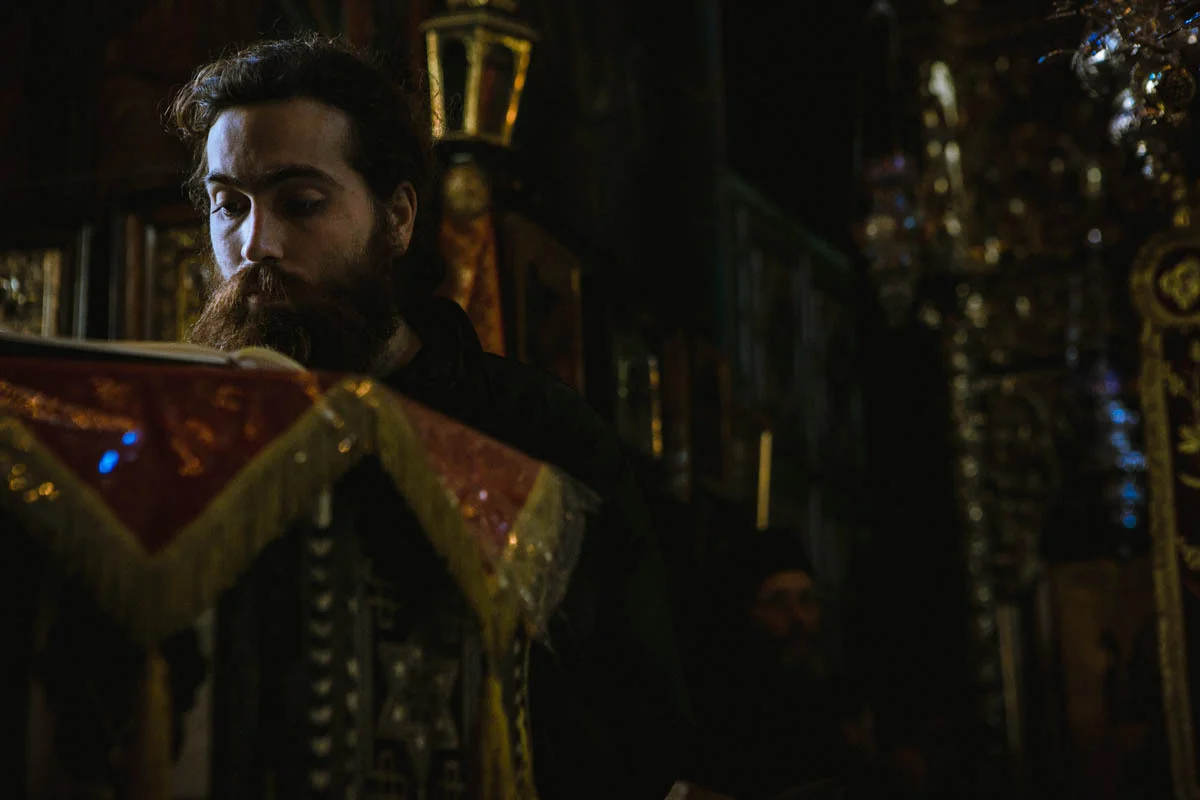
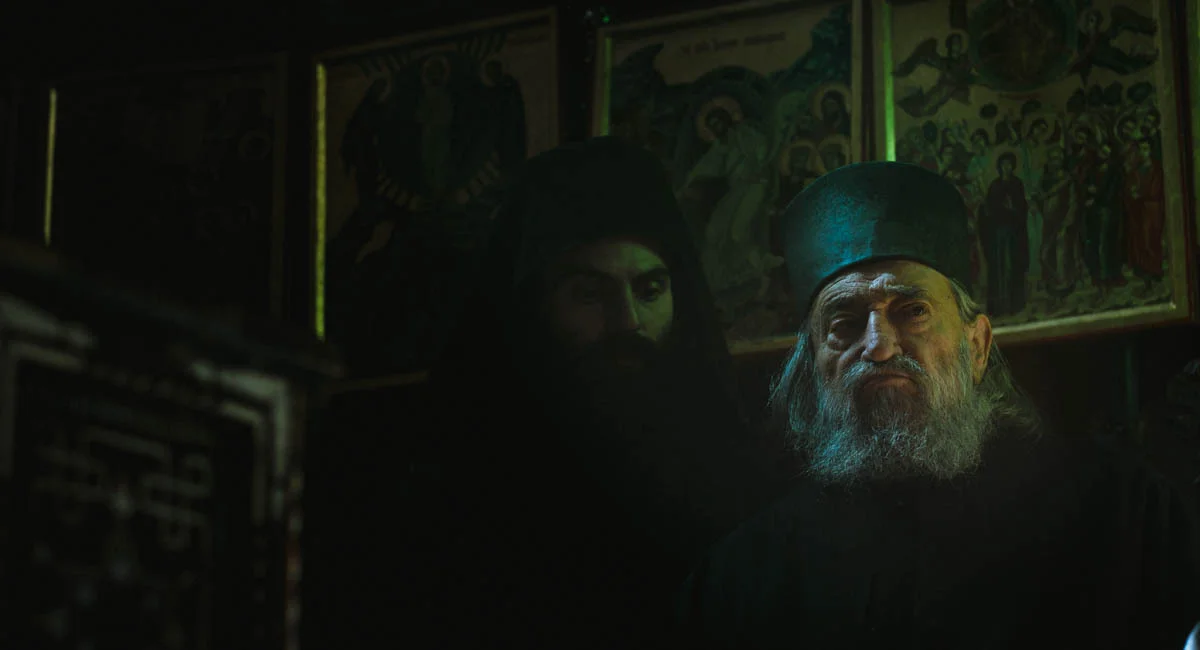
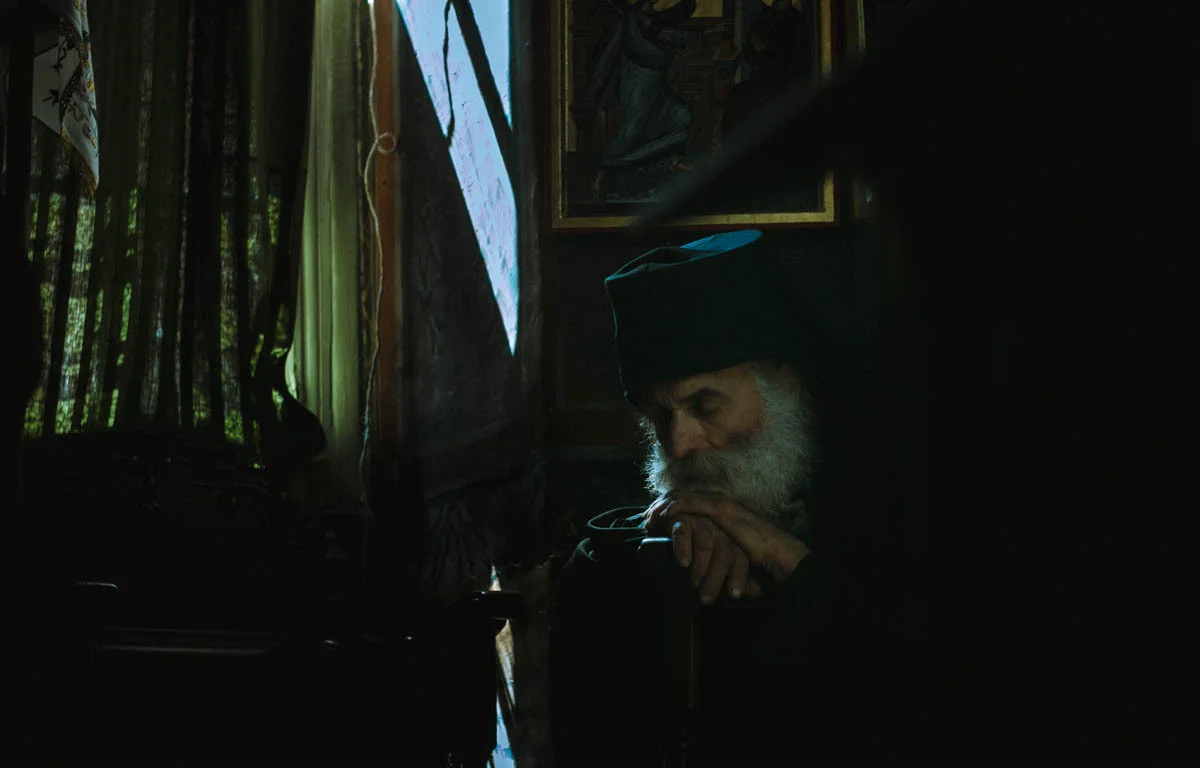
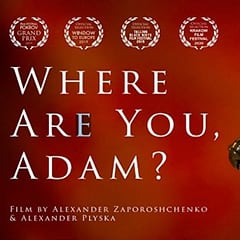
‘Adam, Where Are You?’ (2019) is a documentary by the Ukrainian director Aleksandr Zaporoshchenko, produced by Aleksandr Pliska, about the life of the monks of Docheiariou Monastery on Mount Athos. The camera follows the work and prayer of the community around its aged abbot, without commentary and without haste. The film was shown at festivals in several countries and has also been screened in parishes and village halls in the Netherlands and Belgium.

Screenings in the Netherlands and Belgium are possible on request via [email protected].

Logline

This film is an immersion into the life of one of the monasteries of the Holy Mountain of Athos. The secluded monastic life, full of authentic characters and everyday saints, is brought to the screen from beneath the cloak of our own daily cares.

What emerges is a fascinating account of a wholly unmatched way of life within a flourishing monastic community in the middle of the twenty-first century.

Synopsis

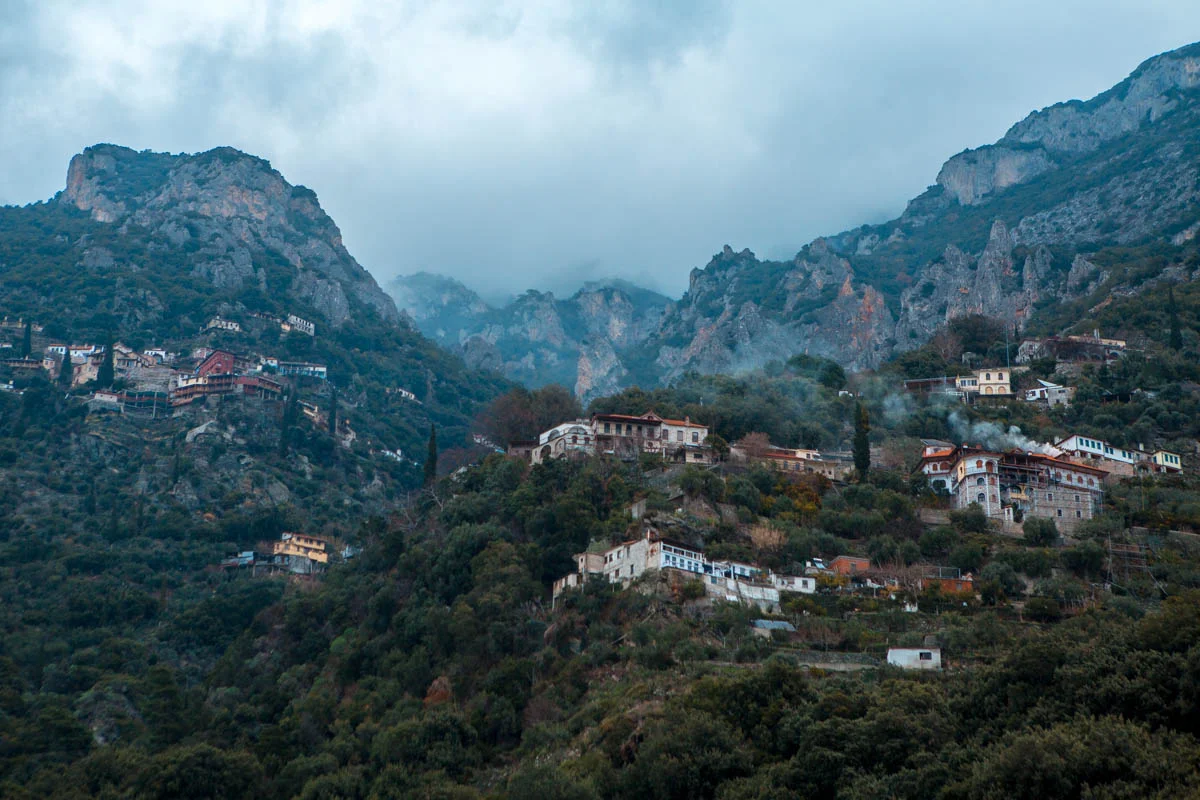
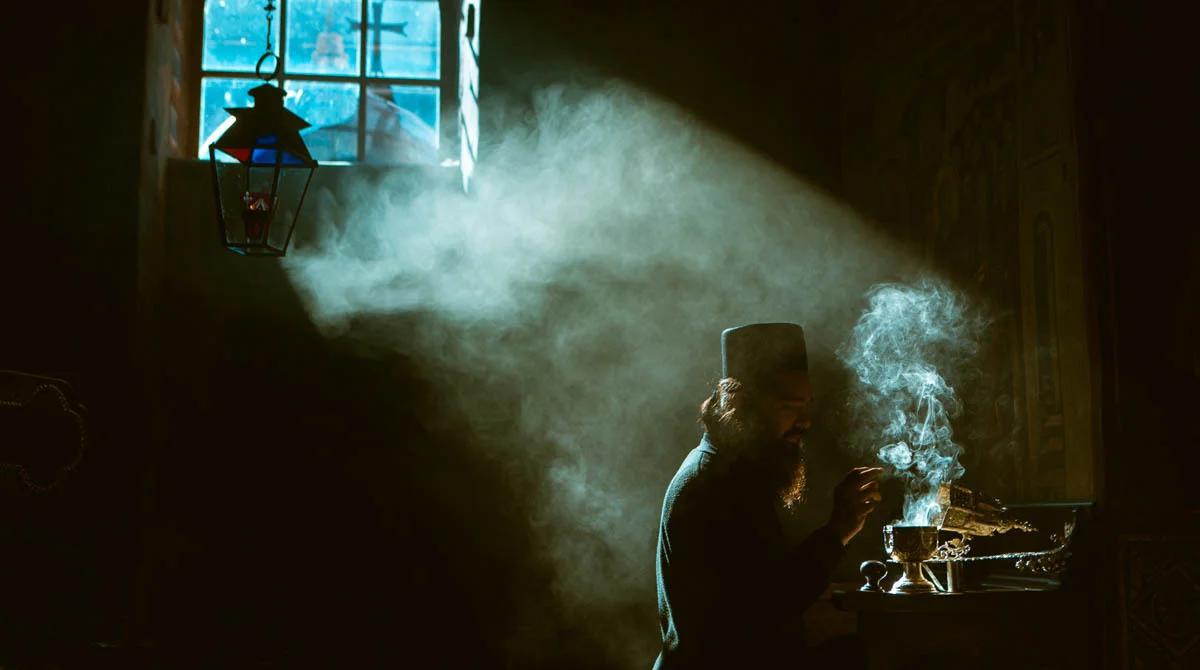
“Adam, Where Are You?” is set in the ancient Docheiariou Monastery on the western coast of Mount Athos, the peninsula in the Aegean Sea devoted exclusively to Eastern Christian monasticism. Images of nature alternate with the monks’ almost unceasing round of work and prayer, creating a rhythmic bond between man and the natural world that hints at a paradise for which we all quietly long.

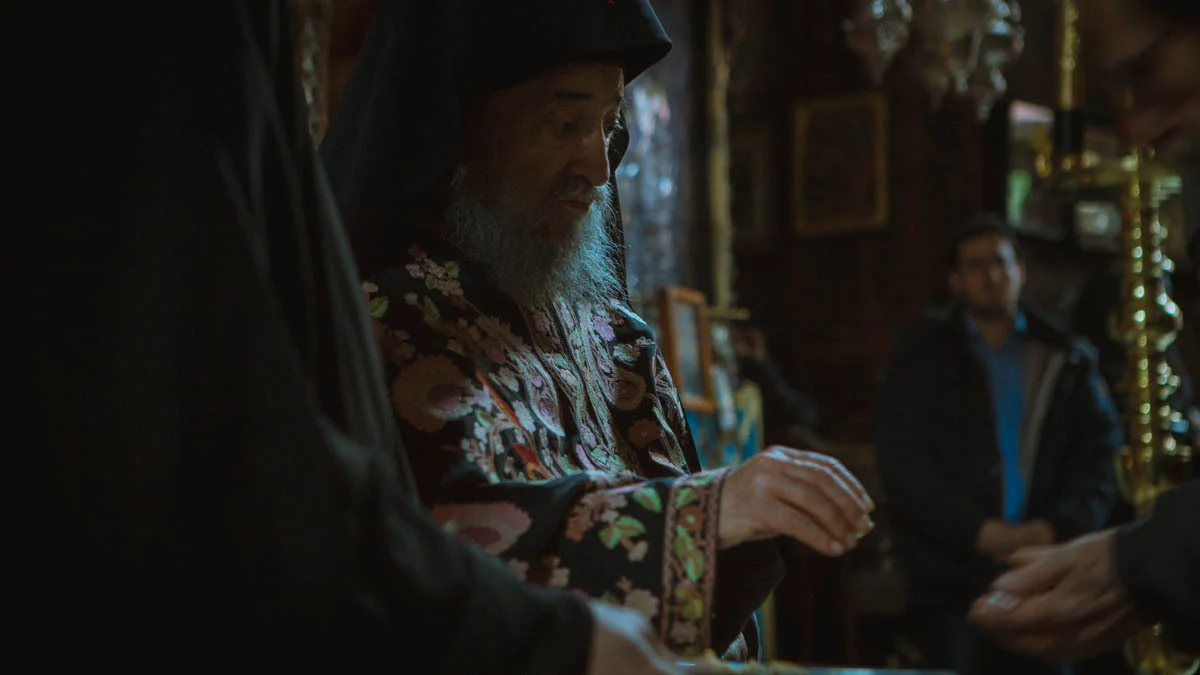
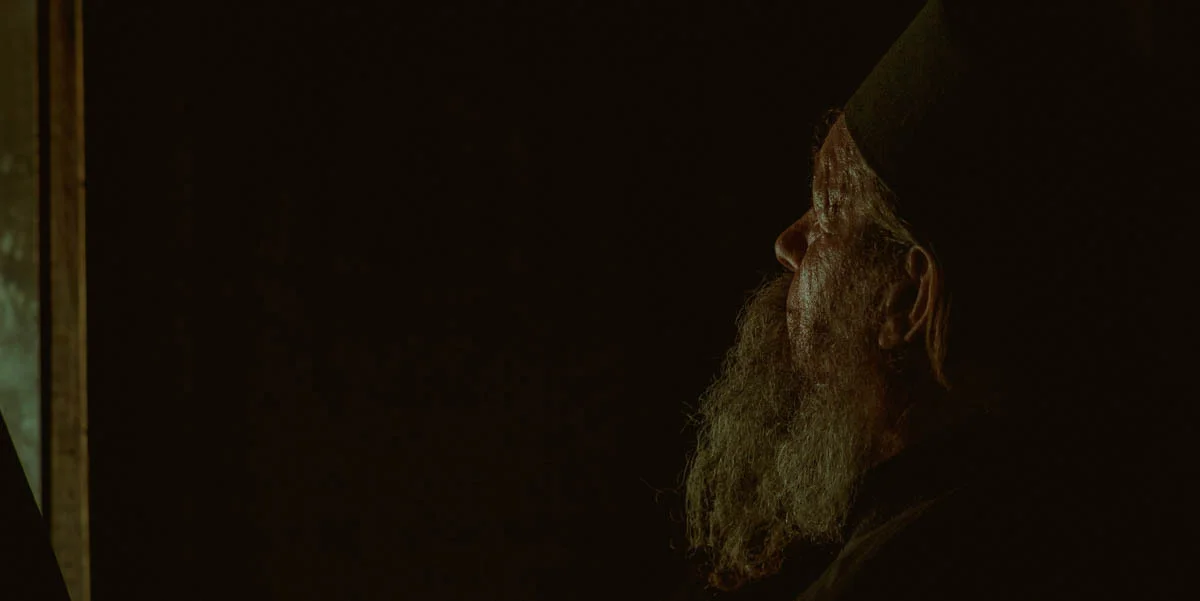
The jewel of this rich Byzantine setting, however, is the monks themselves, whose warmth and authenticity are captured through a revelation of their daily lives, each with its joys, hopes and frailties. By inviting the filmmakers into their midst, the monks hope to encourage every viewer to awaken to his own resurrection. A central figure in the film is the Elder of the monastery, Abbot Gregorios, whose decades of leadership have given him a keen understanding of the souls in his care and of their longing to regain for themselves a state akin to the humanity of Adam before the Fall.

Docheiariou


Docheiariou Monastery, founded in the tenth century, is one of the twenty Orthodox monasteries on a Greek peninsula in the Aegean Sea known as the Holy Mountain or Mount Athos.

The Athonite “monastic republic” is governed as an autonomous territorial unit within Greece, and any man who wishes to visit it needs a special visa. Women are traditionally not admitted, apart from the invisible presence of the Virgin Mary, the Mother of God, whom the monks regard as the protectress and “abbess” of the many generations of men who have come to live and rest under her protection.

Empires, states and rulers have risen and fallen, while Mount Athos and its distinctive monasticism have outlived them all and have remained almost unchanged for centuries.

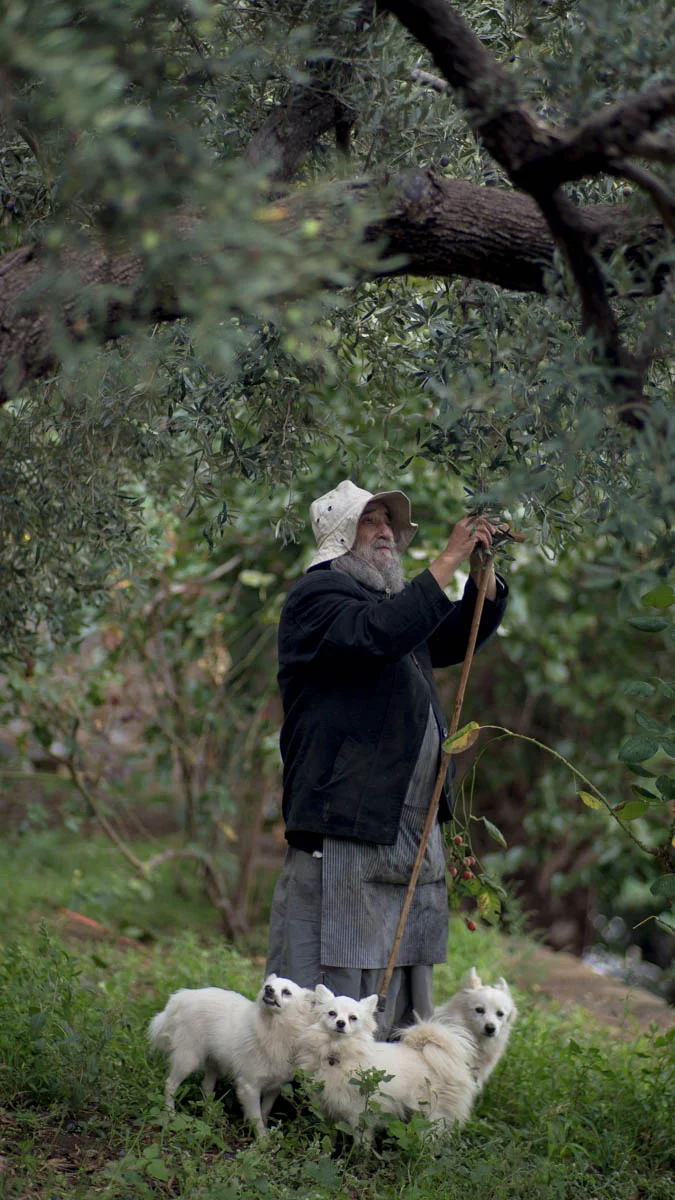
Today about fifty monks live in one of these monasteries, Docheiariou (dedicated to the Holy Archangels), in the south-west of the peninsula among orchards and groves. It stands tenth in the hierarchy of the Athonite monasteries and shelters the icon of the Virgin “Gorgoepikoos”, or “She who is Quick to Hear [prayers]”. Over the past half-century Docheiariou has been brought back to life through the efforts of its abbot, Archimandrite Gregorios (Zumis), and the brotherhood of the monastery.

Geronda Gregorios fell asleep in the Lord in October 2018. Only the first eleven years of his life (of seventy-six) were spent outside the walls of a monastery. In the 1970s he received an invitation to move to the monastery of Docheiariou with other brothers from central Greece. Soon after his arrival on the Holy Mountain, Archimandrite Gregorios was chosen as abbot. The monastery, which had fallen into decay and was slowly crumbling, came back to life under his leadership, and new brothers joined it.

Abbot Gregorios allowed the film crew to live within the monastery walls and to film intimate scenes of daily life, a clear departure from Athonite custom. After the film was completed, he gave permission for a preview of the documentary at the monastery.

Storyline

An abbot on Mount Athos, nearing the end of a long life, reflects on the physical and spiritual labour, and even on the pain of feeling misunderstood, that are needed in order to live in peace in an earthly paradise and, one day, in a heavenly one.

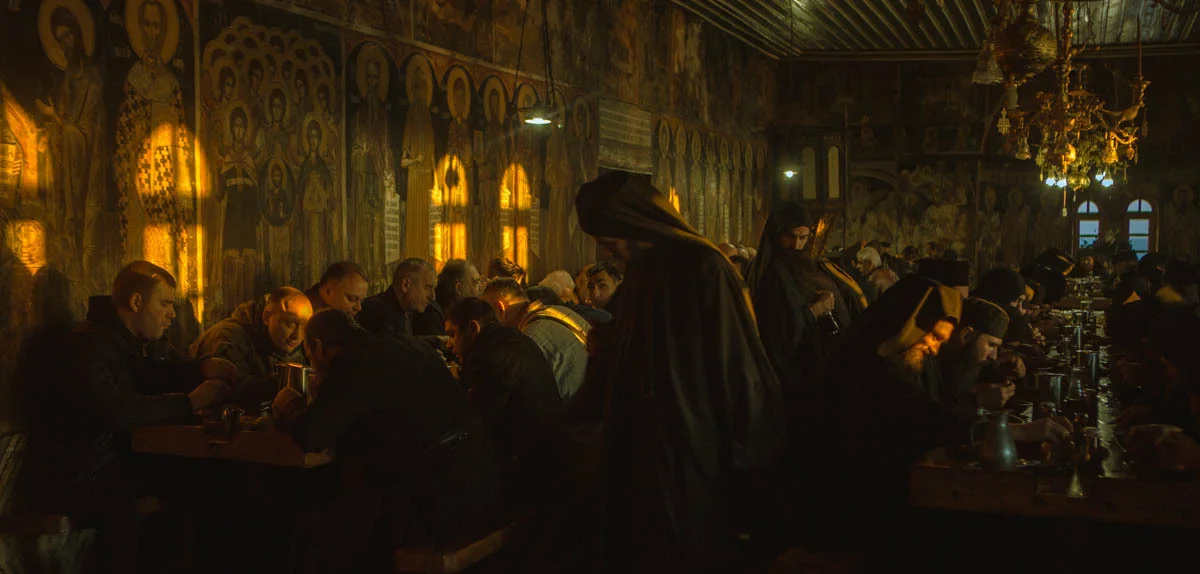
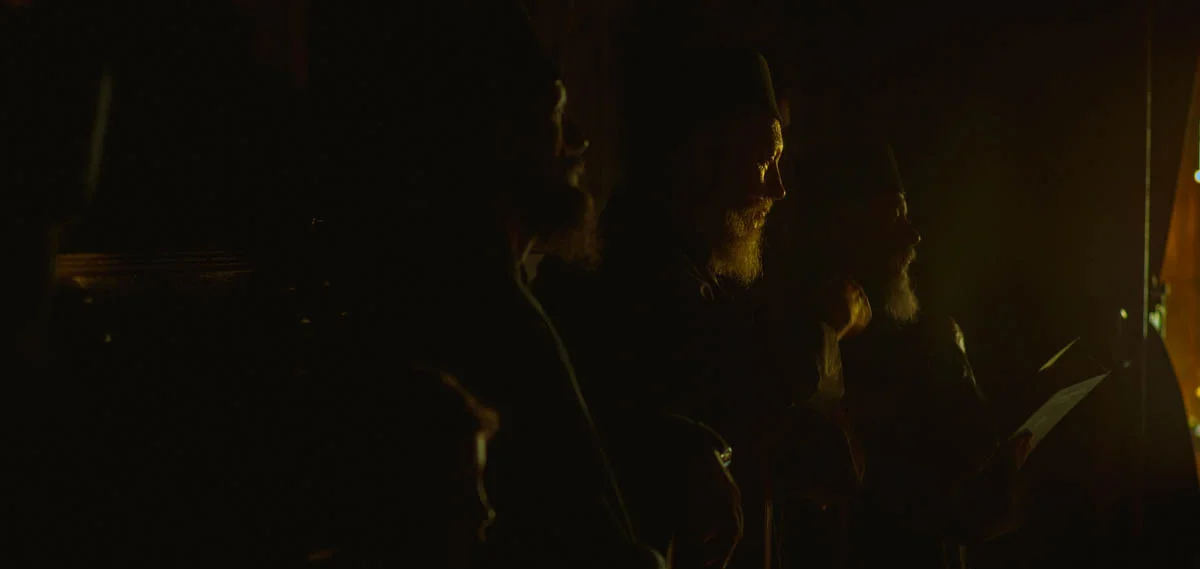
He and his community, the monks of Docheiariou on the Holy Mountain of Eastern Orthodox Christianity, accept the hardships, toil and suffering that come with a life lived for Christ and for the monastic ideal. Their life, like their music, is a moving and authentic supplication to God on behalf of man and nature, one that the viewer cannot help being drawn into.

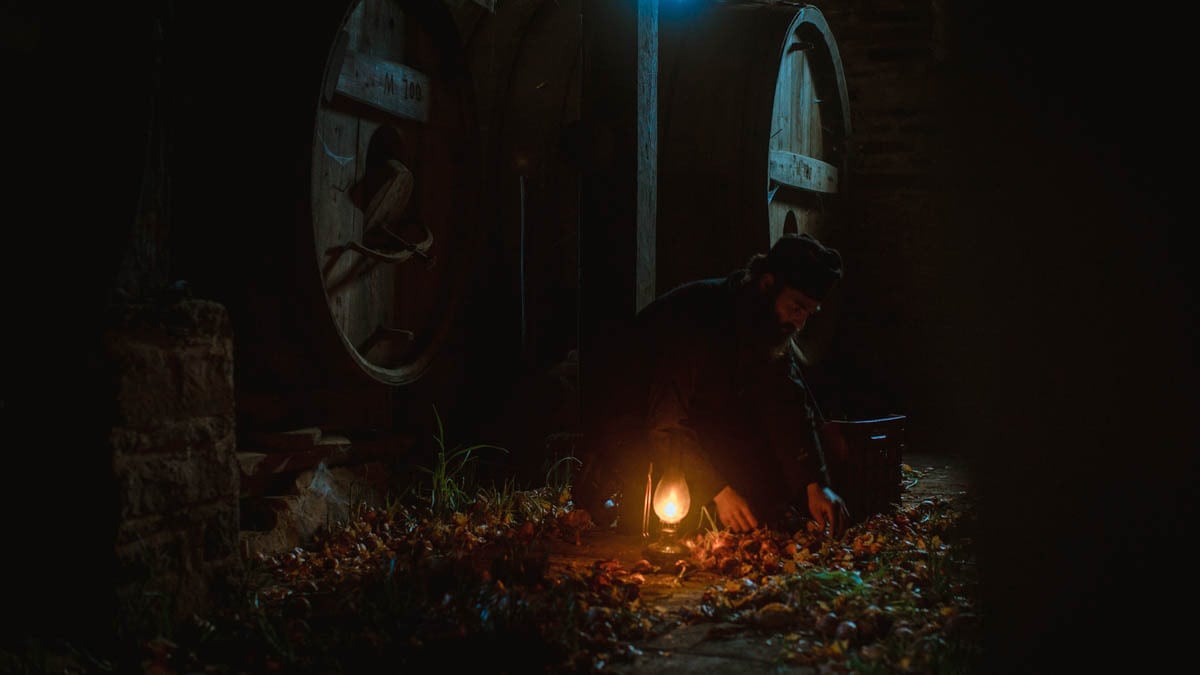
In the rain, the sea, the earth and the trees this community discovers a calling to deep silence, and it distils that silence into joy through the worship of God. Just as they build with stone and draw their food from the raw elements of nature, so these fathers also shape their spiritual life from the building blocks of exhausting physical labour, obedience and night-time services of prayer.

We see that the monks are rugged men, able to raise a wall against the sea through sweat, muscle and prayer. The sea is a metaphor for the world, the wall a metaphor for monastic civility, or civilisation. The clang of the blacksmith’s hammer echoes the wood-on-wood cadence of the call to prayer, but soon it is back to work.

Abbot Gregorios reflects on the life of the monks in a direct conversation with the filmmaker. Great effort and labour are needed, he tells us, otherwise the monastery will become “a heap of stones”.

The Elder confesses that he regrets many things in his life, most of all that he became a priest and abbot, because of the responsibility these spiritual offices carry for the sins and falls of others. He tells us that he weeps every day for the brothers and for the monastery.

More is said about the meaning of monastic life. The struggle to build the sea wall continues. We picture the reclaimed oasis of land behind this barrier against the water, and marvel at the pure labour carried out throughout the monastery.

Interviews

Waar ben je, Adam? Film

CRUX

Ukrainian documentary shows the life of the monks on Mount Athos
Waar ben je, Adam? Film

The TV channel «Glas»

The truth about the film "Adam, Where Are You?" - a candid interview with the producer
Waar ben je, Adam? Film

Pershyi Kozackyi

No one has ever shown Mount Athos and the life of the monks in this way. "Adam, Where Are You?" - the film and its makers

Waar ben je, Adam? Film

The TV channel «Zoryanyi»

Alexander Pliska: "Adam, Where Are You?" is a film about you

Waar ben je, Adam? Film

The TV channel «Glas»

On the meaning of the film "Adam, Where Are You?" (O. Zaporoshchenko)
Waar ben je, Adam? Film

Ukrainian Orthodox Church

"Adam, Where Are You?" - behind the scenes with the director
Waar ben je, Adam? Film

KrakowFilmFoundation

Questions and answers after the screening at the Kraków film festival
"Waar ben je, Adam?" Film

50plusser

Call for film locations for the Ukrainian film ‘Adam, waar ben je?’

Culture blogger Marianne Visser van Klaarwater

Athos, the free monastic republic, on film in ‘Adam, waar ben je?’

Face 2 Face

Interview with the producer Aleksandr Pliska

TV IMEDI

Georgian television on monastic life on Athos and Docheiariou Monastery

About this film

For those who wish to read further about the Holy Mountain and the life lived there after watching the film:

Contact

For more information about screenings of this film in the Netherlands and Belgium, please contact us at [email protected].