Blog
The Orthodox Way: a journey to God
On The Orthodox Way by Metropolitan Kallistos of Diokleia
In the prologue to The Orthodox Way, Kallistos Ware tells of a fourth-century monk, Serapion, who went on pilgrimage to Rome. There he heard of a woman recluse who lived always in one small room and never left it. He went to see her and asked her why she sat there. She answered: ‘I am not sitting, I am on a journey.’
With those words the book begins. A person can stay outwardly in the same place and yet travel a long way: towards greater trust, towards deeper prayer, towards God. What does it mean to walk that way? And how does the Orthodox tradition help us on it?
A teacher who set out himself
Metropolitan Kallistos of Diokleia, also known as Kallistos Ware (1934-2022), knew the search for faith from his own life. He was born Timothy Ware, grew up in the Church of England and was received into the Orthodox Church in 1958. From 1966 he taught Eastern Christian studies at the University of Oxford, and at the same time served as a priest in the Orthodox parish of that city.
Study and pastoral care went together in him, and that can be heard in all he wrote. He explains hard questions of faith simply and carefully, with attention to the person who lives with them. Behind his words stands someone who read the Fathers, celebrated the Liturgy and listened to the questions of the people around him.
Faith that touches life
The Orthodox Way goes through the great themes of the Christian faith: God as Mystery, as Trinity and as Creator, the incarnation of Christ, the Holy Spirit, prayer and eternity.
With Ware these subjects never remain mere doctrine. What changes in the way we treat others when we confess that God is love? How do we see creation when we receive it as a gift? What does the incarnation of Christ mean for someone who suffers?
Doubt has its place too. To believe does not mean that every uncertainty disappears. It asks for a trust that can grow, sometimes through questions and inner struggle. That God is beyond understanding need not be a sign of distance. The mystery can rather invite us to wonder and to meeting.
Prayer runs like a thread through the book. Ware writes about attention, about stillness and about the Jesus Prayer, but he never loses sight of our neighbour. The spiritual life touches the way we listen, forgive and care for one another.
A book to read slowly
Beside his own explanation Ware lets others speak: Scripture, the prayers and hymns of the Church, the Fathers and saints of many centuries. So the reader meets a faith that has been lived and handed on by many generations.
Those who are just coming to know the Orthodox Church find here a simple way in; a short introduction is also in our article What is Orthodox Christianity? Those who have long lived in the Church may hear something new in familiar words and prayers.
There is no need to read this book quickly. A short page can be enough to stay with, to read again or to take into prayer. So the reader, too, sets out on the journey with which the book begins.
About the book
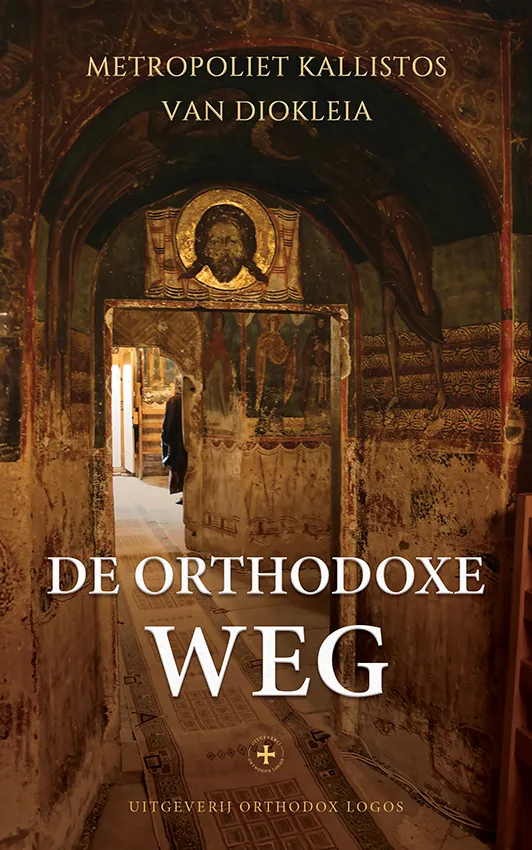
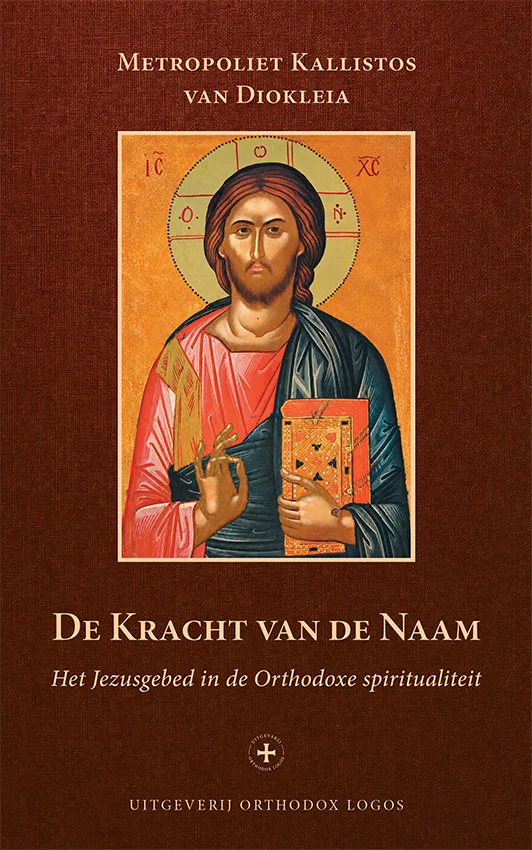
The Orthodox Way first appeared in English in 1979 and is still in print, published by St Vladimir’s Seminary Press. It was given to us to publish it in Dutch as De Orthodoxe Weg, translated by Goedroen Derave-Debroey and Romain Verbeke, in a revised edition of 216 pages, and with God’s help it has now appeared in hardback too. By the same author we also publish De Kracht van de Naam, on the Jesus Prayer.
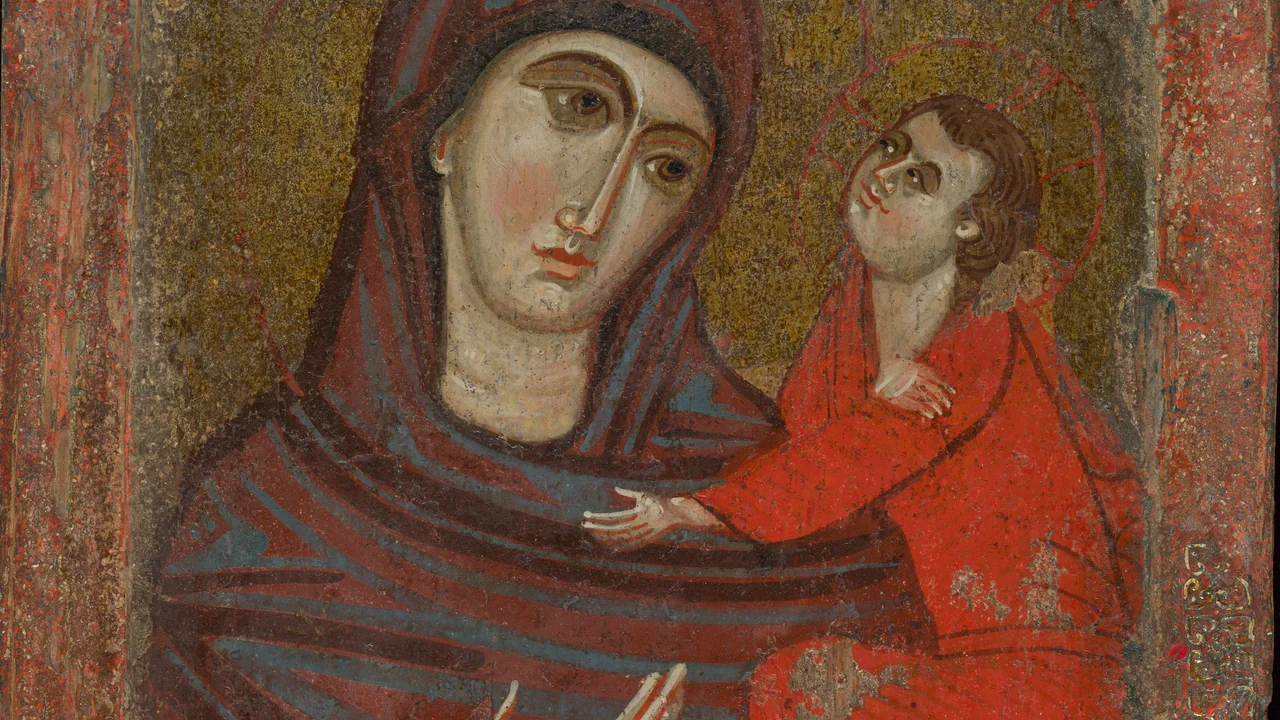
The icon above this article is a Virgin Hodegetria of the thirteenth century, painted in Egypt in the Byzantine tradition and now in the Metropolitan Museum of Art in New York. Hodegetria means ‘she who shows the way’: with her hand the Mother of God points to her Son, who said of Himself: ‘I am the way, the truth, and the life.’
May the Lord be near to all who walk this way.